
Micro-Budget Cinema: Where Constraint Births Visionary Filmmaking
From iPhones to film festivals, today’s micro-budget auteurs are proving that vision—not scale—is what makes cinema unforgettable
Sahr Saffa
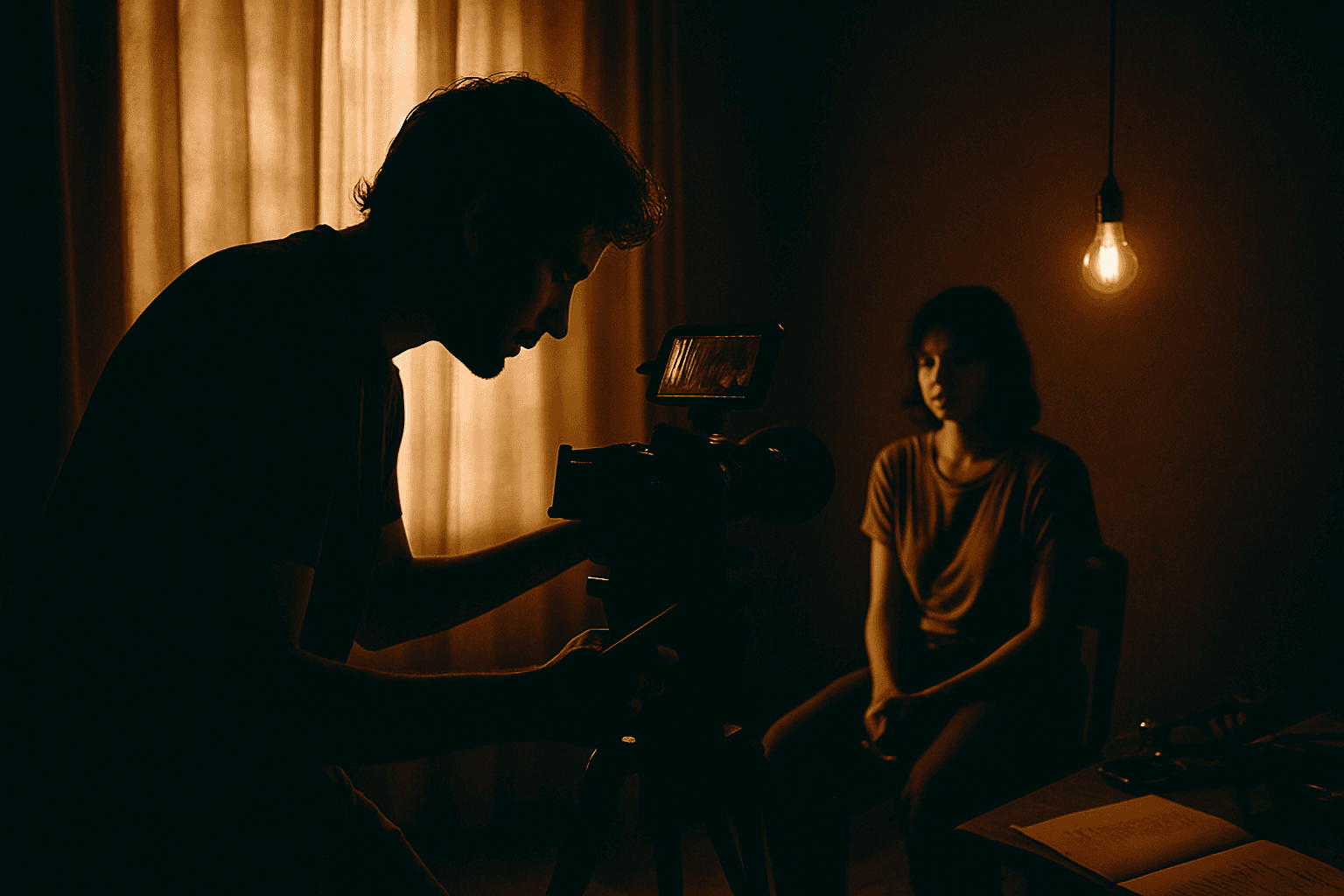
The most exciting revolution in contemporary filmmaking isn't happening on massive Hollywood backlots or with nine-figure budgets. It's unfolding in apartments converted to sets, with skeleton crews, borrowed equipment, and directors who view financial limitations not as obstacles but as creative catalysts. This is the world of micro-budget cinema, where necessity mother's invention and constraints foster artistic breakthroughs that high-budget filmmaking often struggles to match.
Consider Sean Baker, who shot his critically acclaimed Tangerine entirely on iPhones, using the limitation to create an intimate visual language that perfectly conveyed the raw energy of his characters' lives. The film's success wasn't despite its budget constraints but because of them. Its aesthetic aligned perfectly with its storytelling aims, creating an authenticity that resonated with audiences and critics alike.
Working with minimal resources forces you to solve problems creatively. Take for example filmmaker Eliza Hittman, whose low-budget features have garnered acclaim at Sundance and beyond. This sentiment echoes across a new generation of filmmakers embracing the micro-budget approach. Charlotte Wells' Aftersun, produced for under a million dollars, uses its limitations to craft one of recent cinema's most affecting portraits of memory and parent-child relationships. Rather than attempting spectacular visual sequences beyond her budget, Wells channels resources into perfect casting and creating space for emotional authenticity. The result feels like a miracle of intimacy, something that might have been lost with bigger budgets and larger crews.
Similarly, Ricky D'Ambrose's The Cathedral" transforms autobiographical material into a distinctive cinematic language born directly from budget constraints. His use of still photographs, archival footage, and sparse dialogue scenes creates a uniquely literary cinematic experience that larger budgets might have diluted with conventional coverage.\n\nThe micro-budget approach represents more than economic necessity; it's becoming an aesthetic and philosophical choice.
Filmmakers like Josephine Decker deliberately work at lower budget levels to maintain creative control and develop distinctive visual styles. Her films Madeline's Madeline and Shirley exemplify how resource limitations can push directors toward bold formal choices that defined-budget productions might discourage. Working with less means you have to get inventive about what cinema can be and this reinvention extends beyond aesthetics to storytelling itself. Low budgets often mean focused narratives in limited locations with small casts. Films like Sound of Metal, which began as a modest independent production before being acquired by Amazon, demonstrate how this focus can create profoundly affecting character studies that bigger productions might dilute with subplots or spectacle.
The digital landscape has democratized both production and distribution, allowing micro-budget films to find audiences without traditional gatekeepers. Platforms like MUBI and virtual festival screenings have created pathways for these films to reach receptive viewers, while social media allows filmmakers to build direct relationships with audiences.
What's perhaps most significant about this movement is how it's reshaping industry notions of what constitutes a successful film. When Radha Blank's The Forty-Year-Old Version can be shot in black and white on a limited budget and still secure Netflix distribution and critical acclaim, it signals a shift in how the industry values distinctive voices over production scale.
As we move deeper into an era of cinematic excess, with superhero spectacles and IP-driven franchises consuming ever-larger budgets, the micro-budget approach offers a vital counterbalance. These films remind us that cinema's power has never primarily derived from spectacle, but from the alchemy that happens when visionary creators transform limitations into distinctive artistic expressions that speak to our most human experiences.


